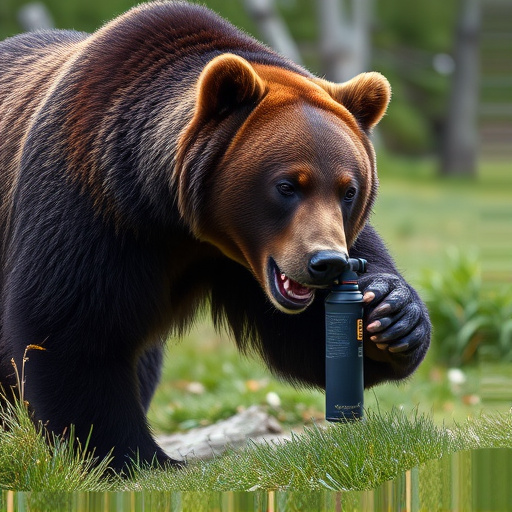
Bear spray is a vital safety tool in bear country, using capsaicin to deter and irritate bears within its 30-foot range. To ensure effectiveness, learn proper holstering techniques for easy accessibility with the dominant hand, practice quick deployment, and store spare cans nearby or in a dedicated pouch. Regular training and familiarity with the product are crucial for safe and effective use during encounters. Key points include aiming at the bear's face, wind conditions influencing spray pattern, physical build not hindering usage, and regular practice to ensure quick reaction times. Safe storage practices involve keeping it in a secure holster, avoiding extreme temperatures, protecting from direct sunlight and heat sources, storing upright in original packaging, inspecting for damage or leakage, and testing the trigger before heading outdoors.
“Maximize your safety in bear country with a comprehensive guide to bear spray. We explore the science behind its effective range of up to thirty feet, breaking down the factors influencing its reach and accuracy. Learn about the active ingredients and how they work to deter bears. Discover correct usage techniques to ensure maximum effectiveness. Additionally, we provide storage and safety tips for proper holster management. Understand how to safely carry bear spray and be prepared for potential encounters in wild environments.”
- Understanding Bear Spray: What It Is and How It Works
- The Science Behind Bear Spray Effective Range
- Factors Affecting Bear Spray Reach and Accuracy
- Correct Usage Techniques to Maximize Effectiveness
- Storage and Safety Tips for Your Bear Spray Holster
Understanding Bear Spray: What It Is and How It Works
Bear spray, also known as bear repellent, is a crucial tool for anyone venturing into bear country. It’s designed to deter aggressive bears and provide valuable time for escape or retreat in potentially dangerous encounters. This aerosol spray contains capsaicin, the active ingredient found in chili peppers, which irritates a bear’s eyes, nose, and respiratory system, causing it to avoid the area.
When using bear spray, knowing its effective range is essential—in this case, thirty feet. To safely holster and carry bear spray, follow these simple steps: first, ensure it’s easily accessible, ideally within reach of your dominant hand. Next, practice holstering and deploying it quickly; you want to be able to react swiftly if needed. Remember, proper training and familiarity with the product are key to using it effectively during a bear encounter. Always store spare cans in an accessible location, like on your belt or in a dedicated pouch, so you’re prepared should the range prove insufficient.
The Science Behind Bear Spray Effective Range
The effectiveness of bear spray, or bear pepper spray, is determined by a combination of factors, including its active ingredients and the distance it can reach to deter an attacking bear. The average effective range for bear spray is around thirty feet (or 9 meters), making it a crucial tool for hikers, campers, and anyone venturing into bear country. This range is based on extensive testing that simulates real-life encounters with bears of various species.
Understanding how bear spray works involves knowledge of its chemical composition. Typically, these sprays contain capsaicin, the same active ingredient found in chili peppers, which irritates a bear’s eyes, nose, and respiratory system. When used correctly, bear spray creates a protective barrier between you and the bear, allowing for an escape path. To ensure safety, it’s essential to learn how to safely holster and deploy bear spray, including proper storage and maintenance practices, so that it remains effective when needed.
Factors Affecting Bear Spray Reach and Accuracy
The effective range of bear spray, which is typically around thirty feet, can be influenced by several factors that impact both its reach and accuracy. One key consideration is the user’s technique; proper application involves aiming at the bear’s face and eyes to maximize its effectiveness. Wind conditions play a significant role as well; headwinds can extend the range by pushing the spray directly towards the target, while crosswinds or tailwinds might disrupt the spray pattern, making it less accurate over longer distances.
Another important aspect is the quality and type of bear spray used. Different sprays have varying concentrations of capsaicin, the active ingredient, which affects both its reach and potency. Weather conditions, including temperature and humidity, can also impact how far and effectively the spray travels. Additionally, the user’s physical build and fitness level might determine their ability to accurately deploy the spray over longer ranges, emphasizing the importance of proper training and practice in handling bear spray safely, especially when learning how to safely holster bear spray.
Correct Usage Techniques to Maximize Effectiveness
To maximize the effectiveness of bear spray, proper usage techniques are crucial. First, always ensure the can is properly holstered and easily accessible. Learn to aim correctly—point the nozzle at the bear’s face, which is typically within 30 feet, and pull the trigger firmly but briefly. A short burst is more effective than a prolonged spray, as it helps to directly reach the bear’s eyes and nasal passages, temporarily blinding and disorienting it.
When carrying bear spray, learn how to safely holster it. Keep it in an easily reachable location, such as on your belt or within immediate grasp. Regularly practice drawing and spraying the can to become comfortable with the motion. This preparation is vital for quick reaction during encounters, ensuring you use the spray effectively when needed to deter and escape aggressive bears.
Storage and Safety Tips for Your Bear Spray Holster
Storing your bear spray safely is crucial for ensuring its effectiveness and preventing accidental discharge. Keep it in a secure, dedicated holster designed specifically for bear spray—always mounted on your person or easily accessible in your vehicle. Avoid storing it in temperatures below -40°F (-40°C) or above 120°F (49°C), as extreme conditions can affect the spray’s performance. Keep the canister away from direct sunlight, heat sources, and open flames to prevent degradation of the chemicals inside.
When not in use, store your bear spray upright in its original packaging. Never leave it in a vehicle, especially during warm weather, as high temperatures can cause the contents to become volatile. Always inspect your spray before heading outdoors, checking for any signs of damage or leakage. Regularly test the trigger to ensure it’s functioning properly and replace the canister according to the manufacturer’s recommendations to guarantee optimal performance when you need it most.
Bear spray is a valuable tool for personal safety in bear country, with an effective range of up to thirty feet. By understanding how it works, the factors affecting its reach and accuracy, and mastering correct usage techniques, you can maximize its effectiveness. Remember that proper storage and safety practices, including learning How to Safely Holster Bear Spray, are crucial to ensure its readiness when needed. Equip yourself with knowledge and stay safe in the great outdoors.